BBQ Smoker Time Calculator (2026) – Instant Brisket, Ribs & Pork Times
Free Online Smoker Calculator
This free online smoker calculator helps you estimate accurate cooking times for brisket, pork shoulder, ribs, chicken and more using a charcoal, pellet or electric BBQ smoker. Whether you’re planning a low-and-slow brisket cook or smoking pork shoulder for pulled pork, this tool provides a reliable time estimate based on proven smoker temperature ranges.
Simply enter your meat type, weight and smoker style to calculate an estimated cooking time. While every BBQ smoker behaves slightly differently, this smoker calculator gives you a strong planning baseline so you can manage fuel, temperature and resting time more effectively.
Always cook to internal temperature rather than time alone — this calculator is designed to guide your BBQ cooking schedule, not replace a meat thermometer.
Plan your smoke
Advanced options
Your plan
Cook timer
Current stage
Get ready for next stage
This BBQ cooking time calculator helps you estimate how long meat takes to cook on a charcoal BBQ, pellet grill, electric smoker or traditional smoker. Whether you’re grilling or cooking low and slow, this tool helps you plan accurately.
Results are intended as a planning guide rather than an exact timer. Factors such as outdoor temperature, smoker efficiency and meat thickness can affect total cooking time. Always cook meat to internal temperature rather than relying on time alone.
How this BBQ Smoker Time Calculator works
What this BBQ smoker calculator actually does
This calculator builds a practical smoking plan rather than acting as a fixed countdown timer…
What affects smoking time
Smoking time is influenced by several variables:
• Cut of meat
• Final trimmed weight
• Smoker type and heat stability
• Chamber temperature
• Outdoor weather conditions and altitude
Even small changes in airflow, ambient temperature, or meat thickness can shift cook duration. That’s why this calculator builds a planning window rather than a rigid countdown.
Why resting time is included
Smoking doesn’t finish when the meat leaves the cooker. Resting is a critical stage of the process. During a long cook, moisture is driven toward the surface and muscle fibres tighten. Resting allows those fibres to relax and the juices to redistribute evenly throughout the meat. Skipping this stage can result in dry slices, even if the internal temperature is perfect.
For large cuts such as brisket and pork shoulder, proper resting can take 30–90 minutes or more depending on size. That’s why this calculator includes resting time in the total cook window — because serving time matters just as much as finish temperature.
Understanding the stall
During longer cooks, particularly with brisket and pork shoulder, the internal temperature can plateau — often between 65–75°C (150–170°F). This phenomenon is known as “the stall.” It occurs due to evaporative cooling: moisture rising to the surface cools the meat at the same rate heat is being absorbed, temporarily halting temperature rise.
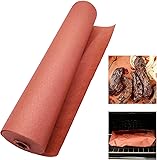
Many pitmasters manage the stall by wrapping in butcher paper or foil to reduce evaporation and push through to finishing temperature. This calculator factors in typical stall behaviour so your plan reflects real-world smoking conditions, not just ideal lab timings.
🔥 Developed using real-world smoking sessions across electric, charcoal and pellet smokers, including long brisket and pork shoulder cooks in UK conditions.
Planning assumptions are based on 110–120°C low-and-slow cooking unless otherwise specified.
How to Calculate BBQ Cooking Time
Understanding how to calculate BBQ cooking time isn’t just about guessing minutes per pound. Whether you’re using a charcoal BBQ, pellet grill, gas grill or electric smoker, cooking time depends on how heat is applied and how thick the meat is — not just how heavy it is.
Grilling vs Smoking Time
Grilling and smoking are completely different cooking methods. Grilling uses higher temperatures, usually between 180–260°C (350–500°F), and is designed for quicker cooks such as burgers, steaks and chicken pieces. Smoking, on the other hand, is a low-and-slow method typically between 105–135°C (225–275°F), ideal for larger cuts like brisket or pork shoulder.
Because smoking uses lower heat, cooking time can stretch into hours rather than minutes. A brisket may take 8–14 hours depending on size and temperature, whereas a steak might cook in under 10 minutes on direct high heat. Knowing which method you’re using is the first step in calculating accurate BBQ cooking time.
Thickness vs Weight
Many BBQ guides talk about “time per pound,” but thickness is often more important than weight. A thick cut of meat takes longer for heat to penetrate to the centre, even if it doesn’t weigh much. For example, a thick tomahawk steak will take longer to cook than thinner steaks of the same total weight.
Large joints like pork shoulder or brisket follow time-per-kilogram guidelines more reliably because they cook slowly and evenly. However, thinner cuts cook based more on thickness and heat intensity. That’s why a BBQ cooking time calculator should be used as a planning guide — always confirm doneness with a meat thermometer.
Temperature Zones
Most BBQs create different temperature zones across the grill surface. The area directly over the heat source is hotter, while the opposite side runs cooler. Managing these zones helps control cooking time.
A two-zone setup (one hot side, one cooler side) allows you to sear meat over high heat and then move it to indirect heat to finish cooking. This prevents burning while still achieving proper internal temperature. The more stable your temperature, the more predictable your cooking time will be.
Direct vs Indirect Heat
Direct heat means cooking directly over flames or coals. It’s fast, intense and ideal for smaller cuts. Indirect heat means the meat is positioned away from the flame, allowing it to cook more gently — similar to an oven. Indirect heat is essential for larger cuts and low-and-slow BBQ cooking.
Using indirect heat increases cooking time but delivers more even results. Direct heat shortens cooking time but requires careful attention to avoid overcooking.
Ultimately, BBQ cooking time is influenced by temperature, thickness, heat control and cooking method. Use this calculator to plan your cook, but always rely on internal temperature rather than time alone for perfectly cooked results.
Why temperature matters more than time
For most classic barbecue cuts:
• Brisket is typically done around 93°C (200°F) when the probe slides in with little resistance
• Pork shoulder pulls cleanly between 93–95°C (200–203°F)
• Ribs are judged by bend and texture rather than a strict temperature
Understanding this distinction is what separates backyard cooking from true barbecue control.
Low-and-slow barbecue is controlled by internal temperature and feel, not the clock. Two briskets of the same weight can finish hours apart depending on fat content, airflow, humidity and pit stability.
That’s why this BBQ smoker time calculator provides a planning window — but finishing decisions should always be based on probe tenderness and verified internal temperature.
Try a real-world example
Most backyard cooks don’t plan with exact numbers — they plan around serving time.
For example:
• Planning a 3kg brisket for a 6pm dinner
• Smoking pork shoulder overnight
• Cooking ribs for a weekend barbecue
The calculator lets you work backwards from when you want to eat, so you’re not rushing the rest or slicing too early.
Want to go deeper?
This calculator gives you a reliable planning window. If you want to understand why smoking times change, how to handle the stall, or how to cook safely with confidence, these guides will help.
US readers: All guidance applies regardless of smoker brand or whether you cook in °F or °C.
Target temperatures & doneness
This BBQ Smoker Time Calculator is designed for planning rather than stopwatch cooking.
Brisket: typically ~93 °C/200 °F, pull when probe slides like butter.
Pork shoulder (pulled): ~93–95 °C/200–203 °F.
Chicken (whole/breast): 75 °C/165 °F minimum in the thickest part.
Salmon (tender): 50–55 °C/122–131 °F; 63 °C/145 °F for well-done.
Always verify with a calibrated thermometer.
Always follow official food safety guidance for minimum internal temperatures.
Smoker styles & timing behavior
Offset stick burners love clean smoke but can swing with wind; pellets are steady but recover slowly after lid-open; kettles run hotter near the fire; kamados hold heat well; electrics are gentle but add less bark. The calculator adjusts base temps/times for each.
Smoking Guides & Safety
BBQ Smoker Time Calculator FAQs
Does this BBQ smoker time calculator include resting time?
Yes. The total time shown includes prep, cooking, and resting. Resting is essential for large cuts like brisket and pork shoulder, allowing juices to redistribute before slicing.Does the calculator account for the stall?
Yes. For larger cuts, the planner allows for the stall, which commonly occurs between 65–75 °C where internal temperatures can plateau for extended periods.Should I cook strictly to time or temperature?
Use time as a planning guide only. Doneness should be judged by internal temperature and probe tenderness rather than the clock alone.Why can my actual cook time differ from the estimate?
Factors such as weather, altitude, meat shape, trimming, and pit stability can all affect real-world smoking times. Always allow buffer time, especially for large cuts.Can I use this calculator for electric, charcoal, and gas smokers?
Yes. The calculator supports different smoker styles, but clean smoke flow and temperature stability remain critical regardless of fuel type.How long to smoke brisket per kg at 110–120 °C (225–250 °F)?
Plan roughly 1.5–2.5 hours per kg, but pull when it’s probe-tender around ~93 °C / 200 °F. Fat content and thickness change timing—use the timer to adjust ±5 minutes or skip stages as needed.When should I wrap brisket or ribs?
Often at the stall (~70–75 °C / 158–167 °F internal). Butcher paper keeps bark drier; foil speeds the cook more. The planner can schedule the wrap stage for you.What’s the best spritz and frequency?
A simple 50/50 apple juice and cider vinegar spritz every 45–60 minutes during the smoke phase works well. Stop spritzing once the meat is wrapped.