#1 BBQ Smoker Time Calculator (2026) – Perfect Brisket, Ribs & Pork Times
The UK’s Most Accurate Smoker Calculator
Always cook to internal temperature rather than time alone — this calculator is designed to guide your BBQ cooking schedule, not replace a meat thermometer.
Exact weights in kg/lb.
Tailored for Pellet, Offset, and Electric smokers.
Includes resting time for perfect results.
Planning a bigger cook? Try our NEW V3 BBQ Party Planner!
100% Free – Built for the UK BBQ Community.
Essential Tools For The Pro Pit Boss


Plan your smoke
Advanced options
Your plan
Cook timer
Current stage
Get ready for next stage
Smoker Guide
Smoking time is influenced by several variables
:• Cut of meat
• Final trimmed weight
• Smoker type and heat stability
• Chamber temperature
• Outdoor weather conditions and altitudeEven small changes in airflow, ambient temperature, or meat thickness can shift cook duration. That’s why this calculator builds a planning window rather than a rigid countdown.
Try a real-world example
Most backyard cooks don’t plan with exact numbers — they plan around serving time.
For example:
• Planning a 3kg brisket for a 6pm dinner
• Smoking pork shoulder overnight
• Cooking ribs for a weekend barbecue
The calculator lets you work backwards from when you want to eat, so you’re not rushing the rest or slicing too early.
Beating the Stall
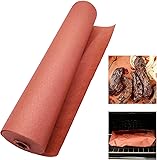
If your meat temperature stops rising around 160°F (71°C), don’t panic. This is ‘The Stall.’ It’s caused by evaporative cooling. You can push through it by being patient or using the ‘Texas Crutch’ (wrapping in foil or butcher paper).
Why Resting is the Secret to Juicy BBQ
Smoking doesn’t finish when the meat leaves the cooker; it finishes when the muscle fibers relax. During a long cook, moisture is driven toward the surface. Resting allows those juices to redistribute evenly, ensuring every slice is as succulent as the center.
Ideal Rest Time: 30–90 minutes for large cuts.
The Science: Tight muscle fibers need time to “relax.”
Calculator Benefit: We’ve already factored this into your total “Serving Time.
Pro Tip: Skipping this stage is the #1 cause of dry brisket, even if your internal temperatures were perfect.
- The Science: Tight muscle fibers need time to "relax" and reabsorb moisture
- Ideal Rest Time: 30–90 minutes for large cuts (Brisket/Pork Shoulder)
- Calculator Included: We’ve already factored this into your total "Serving Time" window
Want to go deeper?
This calculator gives you a reliable planning window. If you want to understand why smoking times change, how to handle the stall, or how to cook safely with confidence, these guides will help.
US readers: All guidance applies regardless of smoker brand or whether you cook in °F or °C.
Smoker styles & timing behavior
Offset stick burners love clean smoke but can swing with wind; pellets are steady but recover slowly after lid-open; kettles run hotter near the fire; kamados hold heat well; electrics are gentle but add less bark. The calculator adjusts base temps/times for each.