BBQ Brisket Smoking Time Calculator (2026) – Instant Brisket, Ribs & Pork Times
Plan your smoke
Advanced options
Your plan
Cook timer
Current stage
Get ready for next stage
Free Online Smoker Calculator
This free Brisket Smoking Time calculator helps you estimate accurate cooking times for brisket, pork shoulder, ribs, chicken and more using a charcoal, pellet or electric BBQ smoker. Whether you’re planning a low-and-slow brisket cook or smoking pork shoulder for pulled pork, this tool provides a reliable time estimate based on proven smoker temperature ranges.
Simply enter your meat type, weight and smoker style to calculate an estimated cooking time. While every BBQ smoker behaves slightly differently, this smoker calculator gives you a strong planning baseline so you can manage fuel, temperature and resting time more effectively.
Always cook to internal temperature rather than time alone — this calculator is designed to guide your BBQ cooking schedule, not replace a meat thermometer.
Cooking a perfect smoked brisket isn’t simply a matter of calculating minutes per kilogram. Brisket is a tough cut of beef that becomes tender through low-and-slow cooking, where heat gradually breaks down connective tissue over many hours. The exact smoking time depends on smoker temperature, brisket size, fat content and even outdoor conditions.Unlike smaller cuts of meat, brisket requires patience and temperature control. Whether you're using a charcoal smoker, pellet grill, electric smoker or offset BBQ, the goal is to maintain a steady cooking temperature and allow the meat to slowly reach the ideal internal doneness.This brisket smoking calculator helps you calculate brisket smoking time per kg and gives an estimate to how long your cook may take, but remember that internal temperature and tenderness are always the final indicators of doneness.
Brisket is almost always cooked using low-and-slow smoking temperatures, typically between 105–135°C (225–275°F). At these temperatures, the collagen within the meat gradually breaks down, transforming a tough cut into tender, juicy barbecue.Because the heat is relatively low, brisket cooks take time. A whole packer brisket can take 10–16 hours depending on its weight and the temperature of the smoker. Lower temperatures will extend cooking time, while slightly higher temperatures can shorten the cook without sacrificing tenderness.Maintaining a steady smoker temperature is one of the most important factors in predicting brisket cooking time.
One of the most famous stages of a brisket cook is the BBQ stall. This occurs when the internal temperature of the meat stops rising, usually between 65–75°C (150–170°F).During the stall, moisture evaporates from the surface of the brisket, cooling it in the same way sweat cools the human body. This can make the brisket appear stuck at the same temperature for several hours.Many pitmasters choose to wrap the brisket in butcher paper or foil (the Texas Crutch) to reduce evaporation and push through the stall faster.
Many pitmasters estimate brisket smoking time using time per kilogram or pound, often between 1–1.5 hours per pound (2–3 hours per kg) when smoking around 110–120°C (225–250°F).However, brisket thickness can affect cooking time just as much as weight. A thick brisket flat will take longer for heat to penetrate than a thinner cut of the same weight. Fat content and trimming also play a role, as fat acts as insulation and slows heat transfer.Because of these variables, smoking time calculators should be used as a planning guide rather than a strict schedule.
The most reliable way to know when brisket is ready is by measuring internal temperature and tenderness, not simply relying on time.Most briskets finish cooking between 90–96°C (195–205°F), but the exact finishing point depends on the texture of the meat. A properly cooked brisket should feel soft when probed, almost like inserting a thermometer into warm butter.After cooking, brisket should always be rested for at least 30–60 minutes, allowing juices to redistribute throughout the meat.
1. Meat Cut & Trimmed Weight
A 5kg brisket doesn’t cook like a 5kg pork shoulder. The surface area and fat content of a ‘Packer’ brisket vs. a ‘Flat’ drastically changes how heat penetrates the muscle

2. Smoker Type & Ambient Temp
Offset smokers require airflow management, while Pellet grills are set-and-forget. Even a cold UK wind hitting the cook chamber can add 60 minutes to your total time

Does this calculator include the "Stall"?
Yes. We factor in a 2–3 hour window where evaporation cools the meat, typically occurring between 65°C and 75°C (150°F–170°F).
Should I calculate weight before or after trimming?
Always use the Post-Trim (Net) Weight. Trimming a hard fat cap can remove 0.5kg–1kg, which significantly reduces total cook time.
Does smoker temperature "Spiking" ruin the estimate?
Our planner assumes a stable temp. If your offset spikes to 135°C (275°F) for an hour, expect the meat to finish 30-45 minutes ahead of schedule.
Is resting time included in the total?
No. This is a Cooking Time estimate. You must add at least 1–2 hours of resting in a warm cooler (ESKY) for the juices to reabsorb.
Why temperature matters more than time when cooking brisket
For most classic barbecue cuts:
• Brisket is typically done around 93°C (200°F) when the probe slides in with little resistance
• Pork shoulder pulls cleanly between 93–95°C (200–203°F)
• Ribs are judged by bend and texture rather than a strict temperature
Understanding this distinction is what separates backyard cooking from true barbecue control.
Low-and-slow barbecue is controlled by internal temperature and feel, not the clock. Two briskets of the same weight can finish hours apart depending on fat content, airflow, humidity and pit stability.
That’s why this BBQ smoker time calculator provides a planning window — but finishing decisions should always be based on probe tenderness and verified internal temperature.
We strongly recommend you have the items below to hand so you stand the best chance of success


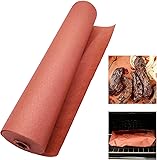
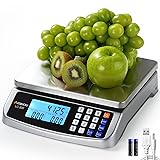
Want to go deeper?
This calculator gives you a reliable planning window. If you want to understand why smoking times change, how to handle the stall, or how to cook safely with confidence, these guides will help.
US readers: All guidance applies regardless of smoker brand or whether you cook in °F or °C.
Target temperatures & doneness
This BBQ Smoker Time Calculator is designed for planning rather than stopwatch cooking.
Brisket: typically ~93 °C/200 °F, pull when probe slides like butter.
Pork shoulder (pulled): ~93–95 °C/200–203 °F.
Chicken (whole/breast): 75 °C/165 °F minimum in the thickest part.
Salmon (tender): 50–55 °C/122–131 °F; 63 °C/145 °F for well-done.
Always verify with a calibrated thermometer.
Always follow official food safety guidance for minimum internal temperatures.
Smoker styles & timing behavior
Offset stick burners love clean smoke but can swing with wind; pellets are steady but recover slowly after lid-open; kettles run hotter near the fire; kamados hold heat well; electrics are gentle but add less bark. The calculator adjusts base temps/times for each.
This BBQ cooking time calculator helps you estimate how long meat takes to cook on a charcoal BBQ, pellet grill, electric smoker or traditional smoker. Whether you’re grilling or cooking low and slow, this tool helps you plan accurately.
Results are intended as a planning guide rather than an exact timer. Factors such as outdoor temperature, smoker efficiency and meat thickness can affect total cooking time. Always cook meat to internal temperature rather than relying on time alone.
Brisket Smoking Time Calculator
This brisket smoking time calculator helps you estimate how long it will take to smoke a beef brisket using low-and-slow BBQ methods. By adjusting for brisket weight and smoker type, you can plan your cook with more confidence and avoid common timing mistakes.
Brisket cooking time can vary widely due to factors such as meat thickness, fat content, smoker efficiency, and outdoor temperature. For this reason, smoking time should always be used as a planning guide rather than a strict schedule.
Always cook brisket to internal temperature rather than time alone, and allow plenty of time for resting once the cook is complete.
For best results, select your smoker type and enter the raw brisket weight before trimming.